
Composting at Home: A Beginner’s Guide for Toronto Gardeners
Composting at Home: A Beginner’s Guide for Toronto Gardeners

Why Composting Matters
Composting is one of the most effective ways to create a greener, more sustainable garden—right from your own backyard or balcony. By turning kitchen scraps and yard waste into rich compost, you help reduce landfill waste while naturally enriching your soil.
In Toronto and across Canada, composting plays a vital role in minimizing household waste and supporting healthy, organic gardening. Whether you’re working with a small urban balcony or a spacious suburban yard, composting can dramatically improve soil structure, moisture retention, and plant growth.
Types of Composting Methods
Not all composting methods are created equal—and not all are suited for the same spaces. Here are two of the most beginner-friendly options for Toronto homeowners, renters, and gardeners:
Traditional Compost Bin
Ideal for outdoor spaces like backyards or community gardens, a compost bin allows you to recycle organic materials efficiently. Simply alternate layers of green materials (fruit peels, veggie scraps, fresh grass) with brown materials (dried leaves, small twigs, shredded paper).
Pro Tip for Canadian Climates: In colder months, insulate your bin with straw or wood chips to keep microbial activity going through winter.
Ideal For: Suburban homes or gardens with outdoor space.
Worm Composting (Vermicomposting)

Perfect for urban living in condos or apartments, worm composting uses red wiggler worms to transform kitchen waste into nutrient-dense worm castings.
Ideal For: Toronto residents with limited space or those wanting to compost indoors.
Pro Tip: Keep your worm bin in a warm spot during winter (between 15°C–25°C) for best results.
What to Compost and What to Avoid
Compost These Materials:
Fruit and vegetable scraps
Coffee grounds and filters
Eggshells
Dried leaves and garden trimmings
Shredded newspaper and cardboard
Grass clippings and plant waste
❌ Avoid These:
Meat, fish, dairy, or oily foods
Diseased plants
Pet waste or litter
Plastic, metal, or glass
Large branches or wood pieces
Local Tip: Many Toronto gardeners use brown paper yard bags or city-provided green bins for compostable materials, then transfer them to their personal compost piles for better control over the final mix.
Tips for Maintaining Your Compost
Turn Regularly: Use a compost aerator or shovel to mix your pile every few weeks. This introduces oxygen and speeds decomposition.
Keep It Moist: Compost should feel damp but not soggy—like a wrung-out sponge.
Layer Greens and Browns: Balance nitrogen-rich (green) and carbon-rich (brown) materials for optimal breakdown.
Winter Composting Tip: During Toronto winters, continue adding food scraps and browns; decomposition slows but restarts in spring.
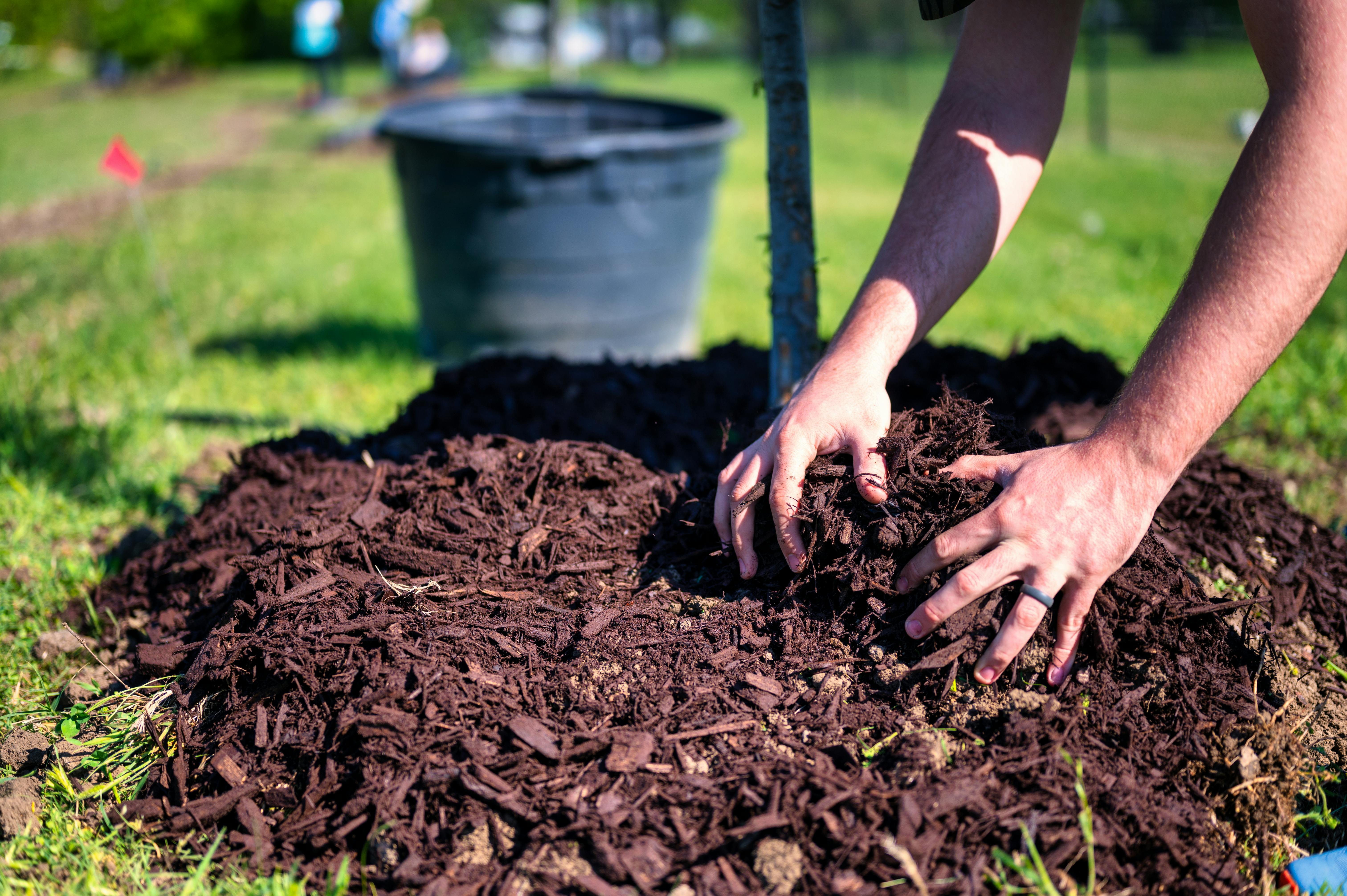
When your compost turns dark, crumbly, and earthy-smelling, it’s ready to use. Mix it into your garden beds or sprinkle it around trees and shrubs to naturally boost soil nutrients.
FAQs About Composting in Toronto
1. How long does composting take in Canada?
In most Canadian climates, composting takes 3 to 6 months depending on temperature, moisture, and material balance. During winter, the process slows but picks up again in spring.
2. Can I compost during the winter in Toronto?
Yes! Composting doesn’t stop in cold weather—it just slows down. Continue adding scraps and browns, and insulate your bin with straw, cardboard, or wood chips to retain heat.
3. What’s the best composting method for small Toronto homes or apartments?
Worm composting (vermicomposting) is ideal for small spaces. It’s odor-free, efficient, and works indoors all year long.
4. Does composting smell bad?
A healthy compost pile should smell earthy, not rotten. If there’s an odor, you may have too many “greens” (like food scraps). Add more browns such as leaves or shredded paper to balance it.
5. Can I use compost on indoor plants?
Absolutely! Mix a small amount of finished compost into your potting soil or use it as a top dressing to provide slow-release nutrients for indoor plants.
Final Thoughts
Composting at home in Toronto is more than a gardening practice—it’s an eco-friendly lifestyle choice that benefits your plants, your wallet, and the planet. Whether you’re composting on a balcony, in a backyard, or in a community garden, every small effort contributes to a greener, healthier city.
Start your composting journey today and turn everyday waste into life for your garden—one peel, leaf, and coffee ground at a time.
