
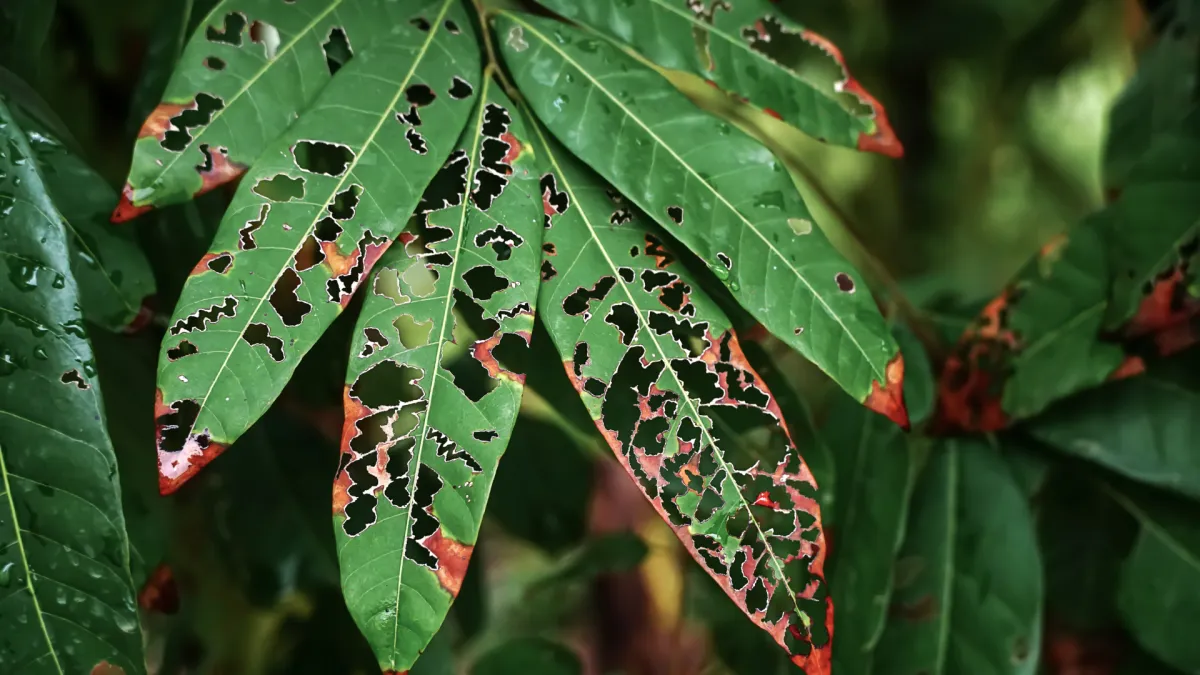
Common Plant Diseases and How to Prevent Them
Common Plant Diseases and How to Prevent Them

Signs Your Plants Are Sick
Healthy plants show vibrant leaves, sturdy stems, and consistent growth. But when your plants start to look a little sad, it’s time to take a closer look. Here are early warning signs of plant illness:
Yellowing or Browning Leaves – This could indicate nutrient deficiency, overwatering, or disease.
Spots or Moldy Patches – White, black, or brown spots often mean fungal infection.
Wilting Despite Moist Soil – If your plant droops even when watered, root rot or fungal issues may be to blame.
Stunted Growth – Poor growth or deformed leaves could be due to viral or bacterial infection.
Sticky Residue or Leaf Curling – These may point to pest infestation or sap-sucking insects that spread diseases.
Tip: Regular garden checks can help you catch early signs before the problem spreads.
Top Common Plant Diseases
Even with the best care, your garden in Toronto’s humid climate can face various plant diseases—especially during spring and early summer. Let’s look at the most common ones.
Fungal Diseases
Fungi thrive in damp, humid environments, making them the most common culprits of plant disease.
Powdery Mildew
Signs: White, powder-like coating on leaves and stems.
Causes: Poor air circulation and overwatering.
Solution: Prune crowded areas and apply a neem oil or baking soda spray.
Root Rot
Signs: Wilting, yellow leaves, and mushy roots.
Causes: Overwatering and poor drainage.
Solution: Remove affected roots and replant in well-drained soil.
Leaf Spot (Anthracnose)
Signs: Dark, circular spots on leaves.
Causes: Fungal spores spread by splashing rain.
Solution: Remove affected leaves and avoid watering overhead.
Bacterial and Viral Diseases
These diseases often spread through pests, infected tools, or water. Prevention and hygiene are key.
Bacterial Blight
Signs: Water-soaked lesions, wilting, and dark streaks.
Causes: Contaminated soil or water.
Solution: Use copper-based sprays and rotate crops yearly.
Tomato Mosaic Virus (TMV)
Signs: Mottled yellow-green leaves and distorted fruit.
Causes: Transmitted by human touch or contaminated tools.
Solution: Remove infected plants immediately and disinfect tools.
Crown Gall
Signs: Swollen galls or tumors at the plant’s base.
Causes: Soil-borne bacteria Agrobacterium tumefaciens.
Solution: Avoid replanting in infected soil for at least 2 years.
Prevention and Care Tips

Preventing disease is easier than curing it. Keep these tips in mind to protect your Toronto garden:
Ensure Proper Airflow: Don’t overcrowd your plants; give them breathing space.
Water Wisely: Water early in the morning at the base of plants to prevent leaf wetness overnight.
Rotate Crops: Avoid planting the same type of plants in the same spot each year.
Clean Tools Regularly: Disinfect garden shears and tools after each use.
Boost Soil Health: Mix in compost and organic matter to build strong, disease-resistant roots.
Use Resistant Varieties: Choose plant varieties bred for disease resistance, especially in vegetable gardens.
Organic Treatments for Diseased Plants
If disease does strike, go natural before reaching for chemicals. Here are some effective organic remedies:
Neem Oil: Works as an antifungal, antibacterial, and insect repellent.
Baking Soda Spray: Mix 1 tablespoon of baking soda with 1 liter of water to prevent mildew.
Compost Tea: Enriches soil microbes that naturally fight off pathogens.
Hydrogen Peroxide (3% solution): Helps aerate soil and kill root rot-causing fungi.
Garlic Spray: Acts as a natural antibacterial and antifungal agent.

Final Thoughts
Keeping your Toronto garden healthy means staying proactive. Watch for signs of distress, maintain clean gardening habits, and choose natural treatments whenever possible. With consistent care, your plants can thrive through every season—disease-free and full of life.
Stay Connected with Symphony Garden Design
Love learning about garden care and design?
Follow us on Facebook, Instagram, and YouTube for more plant tips, seasonal advice, and inspiring garden transformations.
Join our growing community and discover how to create a garden that flourishes all year round!
